10 Platinum Blonde Hair Color Ideas and Formulas
- Key Takeaways:
- Platinum blonde is the lightest possible shade, characterized by extreme lightness and a near-complete absence of warm, yellow, or orange undertones, achieved by lifting hair to a Level 9 or 10 and precise toning.
- This iconic color offers a bold and transformative statement, ranging from icy to pure white, showcasing a stylist's expertise and empowering clients.
- Achieving platinum requires meticulous preparation, precise bleaching, and careful toning. While maintaining its vibrancy and health involves a rigorous aftercare routine with specific sulfate-free and purple/blue hair products, deep conditioning, and heat protection.
Platinum blonde hair stands as a pinnacle of hair artistry, a bold and transformative statement that continues to captivate clients. Achieving this iconic shade requires not only exceptional technical skill but also a deep understanding of hair science, client consultation, and intentional aftercare. For the discerning stylist, mastering platinum blonde is an opportunity to showcase unparalleled expertise and elevate their craft.
This comprehensive guide is designed to empower you -- the skilled hair artist -- with the knowledge and strategies needed to confidently deliver stunning, healthy platinum blonde results. We will delve into the nuances of this coveted hair color, explore the intricate process of its creation, and provide essential insights into its long-term maintenance, ensuring your clients leave your chair feeling empowered and radiant.
What is Platinum Blonde Hair?
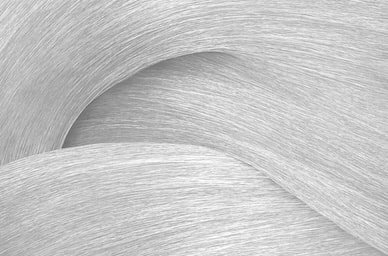
Platinum blonde hair is the lightest shade in the entire blonde spectrum — a near-white, high-luminosity color that sits at a Level 10 or above on the professional hair color scale (which runs from 1, black, to 10, lightest blonde). Where golden or honey blondes lean into warm yellow pigments, platinum goes the other direction entirely. The goal is to lift hair to its palest possible base, then neutralize any residual warmth with a toner to land on that signature icy, almost metallic finish.
And that finish is what makes platinum so distinct. It doesn't just look light — it reflects light. That luminosity is the difference between platinum and every other blonde on the spectrum.
As for undertones, true platinum typically leans cool. You'll see it expressed as icy blue (think Nordic, almost silver), violet-pearl (soft and luminous with a slight metallic quality), or neutral platinum (the most wearable version, balanced enough to work across a wide range of skin tones).
Platinum Blonde vs. Other Light Shades
Distinguishing platinum blonde from other light hair colors is crucial for both client education and technical execution. While they may appear similar to the untrained eye, their underlying pigments and required processes differ significantly:
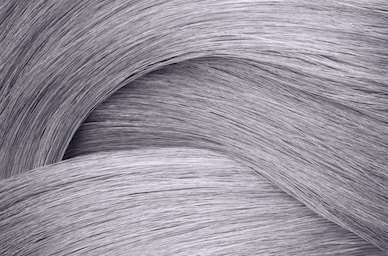
- Platinum Blonde vs. Silver Hair: While both are cool-toned, platinum blonde is fundamentally a very light blonde, aiming for a white or near-white appearance. Silver hair, on the other hand, intentionally incorporates grey or metallic tones, often appearing darker and more reflective. A client seeking "silver" might be looking for a true grey, while "platinum" implies a very light, almost colorless blonde. The toner choice is key here: Use violet-based toners for platinum, and often blue or grey-based toners for silver.
- Platinum Blonde vs. White Hair: Natural white hair is typically the result of a complete absence of pigment (melanin) due to aging. Platinum blonde is an artificial hair color achieved through chemical processes that strip the hair of its natural color. While the end result can be visually similar, the underlying hair structure and maintenance needs are distinct.
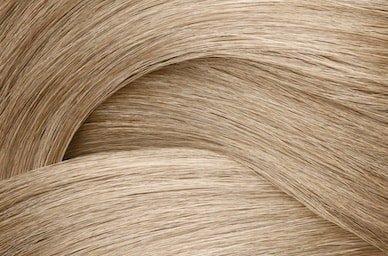
- Platinum Blonde vs. Ash Blonde: Ash blonde is a cool-toned blonde that still retains some level of natural blonde pigment, often appearing with subtle grey or cool brown undertones. It's typically a Level 7 or 8. Platinum blonde is a much lighter, more intense cool blonde, aiming for a near-colorless base before toning. Ash blonde is less about complete pigment removal and more about neutralizing yellow tones to create a muted, cool effect.
Explore Platinum Blonde Variations
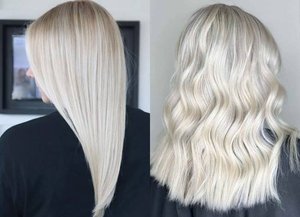
- Icy Platinum: This is the quintessential cool-toned platinum, characterized by its crisp, almost blue-white appearance. It's achieved by meticulously neutralizing all yellow tones with strong violet-based toners. Ideal for clients with cool undertones.
- Ash Platinum:Slightly softer than icy platinum, ash platinum incorporates subtle grey or smoky undertones. It's still very cool but has a muted quality, often achieved with toners that have a hint of blue or green. This can be a good option for clients who want a cool look without the starkness of pure icy platinum.
- White Platinum: The purest form of platinum, aiming for a stark, almost paper-white appearance. This requires the highest level of lift (Level 10) and precise toning to eliminate even the faintest yellow. It's a bold, high-fashion statement.
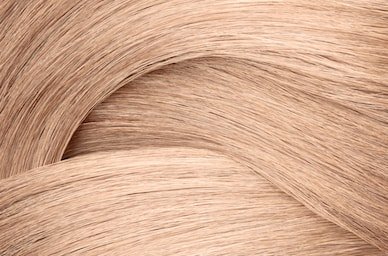
- Warm Platinum: While platinum is typically cool, a "warm platinum" can be created by using toners with very subtle beige or champagne undertones. This is not a yellow blonde, but rather a platinum that avoids being overly cool, making it more flattering for clients with warmer skin tones who still desire extreme lightness.
- Dimensional Platinum: Platinum blonde doesn't always have to be an all-over, solid color – there are ways to introduce depth and add different kinds of platinum into one look.
The Platinum Transformation Process:
Achieving a platinum blonde doesn't happen in a single step. Hair naturally holds warm pigment at every level, which means that even after lifting to a Level 10, your hair will still carry some yellow. That's where toning comes in: neutralizing the remaining warmth and depositing the exact cool tone that takes hair from "very light blonde" to platinum.
- Preparation is Key:
- Pre-Lightening Treatments: For clients with compromised hair, recommend a series of strengthening treatments (e.g., bond-building treatments) in the weeks leading up to the lightening service. This helps fortify the hair structure.
- Hair Health Preparation: Advise clients to avoid washing their hair for 24-48 hours before their appointment. Natural oils provide a protective barrier for the scalp. Also, ensure the hair is free of heavy styling products or silicones that could impede the bleach's effectiveness.
- Strand Tests and Patch Tests: Always perform a strand test on a small, inconspicuous section of hair to determine how it will react to bleach and how quickly it will lift. This helps you select the appropriate developer strength and processing time. A patch test for allergic reactions to products is also essential.
- The Bleaching Phase:
- Selecting the Right Lightener and Developer:
- Lightener: Choose a high-quality bleach powder or cream designed for maximum lift with minimal damage. Consider formulas with bond-protecting additives. We recommend choosing from Redken’s new Blonde IQ range.
- Developer: The choice of developer volume (e.g., 10, 20, 30 volume) depends on the client's natural hair color, desired lift, and hair condition. For on-scalp applications, 10 or 20 volume is generally preferred to minimize irritation and damage. Higher volumes (30) may be used for off-scalp applications or very dark hair, but with extreme caution and constant monitoring. Redken offers a wide variety of Pro-oxide Cream and oil Developers for you to choose from depending on the lightener you use.
- Application Techniques:
- Sectioning: Precise sectioning is crucial for even saturation and consistent lift. Work in small, clean sections.
- Virgin Hair Application: For virgin hair (never been colored), apply bleach to the mid-lengths and ends first, leaving the roots (the "hot zone") until the last 10-15 minutes of processing. This accounts for the heat from the scalp accelerating the lift at the roots.
- Dark Roots/Regrowth Application: For touch-ups, apply lightener only to the new growth, carefully avoiding overlapping onto previously lightened hair, which can cause breakage and banding.
- Saturation: Ensure complete and even saturation of every strand. Missed spots will result in uneven lift and patchy results.
- Monitoring the Lift:
- Visual Assessment: Continuously monitor the hair's lightening process. The hair must lift to at least pale yellow at level 9 or 10 (the color of the inside of a banana peel) before toning. If it's still orange or bright yellow, it needs more time or another application.
- Elasticity Test: Gently stretch a strand of hair. If it feels gummy or overly elastic, it's a sign of damage, and the bleach should be rinsed immediately.
- Heat Management: Keep the hair cool. Avoid foils or excessive heat unless specifically part of a controlled technique.
- Addressing Challenges:
- Uneven Lift: This often results from inconsistent application or varying hair porosity. It may require targeted re-application or a corrective toning strategy.
- Hot Roots: When roots lift faster and lighter than the rest of the hair, it's usually due to applying bleach to the roots too early or using too strong a developer. This requires careful toning to balance the shade.
- Toning For Perfection:
- What Toner for Platinum Blonde: Toners are semi- or demi-permanent hair colors that contain pigments designed to counteract specific unwanted tones. For platinum blonde, the primary goal is to neutralize yellow and orange brassiness.
- Purple/Violet Toners: These are essential for neutralizing yellow tones. They are often used for achieving icy platinum or white-blonde results.
- Blue-Violet Toners: These are effective for neutralizing both yellow and slight orange tones, often found in hair that has lifted to a slightly warmer pale yellow.
- Ash/Silver Toners: These can add a cool, metallic sheen and further neutralize any remaining warmth, contributing to an ashy platinum or silvery blonde look.
- Understanding Color Theory for Toning: Remember the color wheel: purple neutralizes yellow, blue neutralizes orange. Selecting the correct toner is crucial for achieving the desired cool-toned blonde.
- Application Processing Time: Apply toner evenly to damp, towel-dried hair. Monitor the hair closely during processing, as toners can work quickly. Over-toning can lead to an undesirable purple, blue, or gray cast. Rinse thoroughly once the desired tone is achieved.
- Achieving Specific Tones:
- Icy Platinum: Requires a strong violet-based toner on a very pale yellow base.
- White-Blonde: Similar to icy, but often requires a slightly more opaque toner or a second, lighter toning application.
- Ashy Tones: Incorporate toners with a blue or green base to create a cooler, more muted platinum.