How To Master Grey Coverage and Balayage on Dark Hair
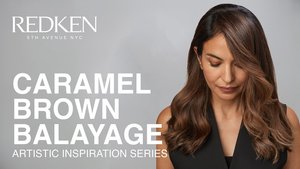
Modern dimensional gray coverage has become one of the most requested services in salons today. Clients want their gray hair covered without the harsh, flat appearance of traditional color applications. They're looking for natural dimension, soft regrowth, and a low-maintenance solution that keeps them looking fresh between appointments.
In our new Artistic Inspiration educational series, Sean Goddard, Redken's Global Artistic Ambassador, demonstrates an innovative approach that combines balayage techniques with advanced gray coverage formulas to create a naturally dimensional look that grows out beautifully.
Understanding the Client Consultation
The foundation of any successful color service starts with a thorough consultation. In this case, the client presented with specific concerns that many professional hair stylists encounter regularly:
- Visible gray hair requiring coverage every two weeks
- Desire for natural-looking results without harsh darkness
- Interest in dimensional brightness around the face
- Need for a softer regrowth pattern to extend time between appointments
The client's gray distribution showed approximately 75% gray through the front hairline and 50% gray through the back. This variation in gray percentage is typical and requires strategic formula selection to ensure even coverage throughout.
The Service Structure: Why Order Matters
Most professional hair stylists apply gray coverage first, then add highlights. Goddard flips this traditional approach for several important reasons.
The Traditional Approach:
- Apply gray coverage to zone one
- Apply balayage highlights throughout zones two and three
- Process and rinse
The Optimized Approach:
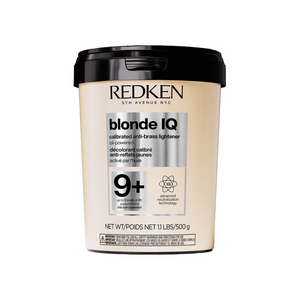
- Apply balayage with Blonde IQ first
- Process, shampoo, and dry completely
- Apply Shades EQ ALK for gray coverage in zone one
- Apply alternate ALK formula through zones two and three to gloss the balayage
This reversed order offers multiple benefits. Shades EQ ALK processes in just 20 minutes, making it inefficient to apply first and wait for balayage to develop. More importantly, freshly shampooed hair after the balayage service guarantees superior gray coverage. The clean canvas allows for better color deposit and more predictable results.
Balayage Application for Natural Dimension
Sectioning Strategy
Proper sectioning creates the foundation for balanced, natural-looking dimension:
- Center part from front to nape (allows versatility for styling on either side)
- High point of head to center of ear (separates front from back)
- Around the head where it bevels (separates sides from top)
This sectioning pattern focuses lightness in key areas: the face frame, perimeter sections, and select pieces through the top surface. The interior remains darker, creating natural depth and dimension.
The Painting Technique
The most critical aspect of successful balayage is brush placement and product application:
Keep the brush flat to the hair surface. Avoid pushing bristles into the hair, which creates spots and speckles. The brush should glide across the surface, depositing color only where you want lift.
Start with less product. You can always add more, but removing excess is difficult and can compromise your placement.
Create intentional spacing. Leave space between the scalp and your initial application. This creates a soft, grown-out appearance from the start.
Blend with your pinky finger. This gives you precise control over the transition zone without removing too much product.
Managing Baby Hairs and Hairline
Before painting each section, identify and push away baby hairs. These fine hairs lift quickly and can become overly bright if included in the balayage application. Gently separate them and allow them to fall naturally away from your working section.
The Diagonal Back Technique
For each section, create a diagonal back point of light. Start higher on the face-framing edge and drop lower toward the back. This technique creates natural-looking dimension with intentional pockets of depth in the back areas.
The visual effect mimics how sun naturally lightens hair, with more brightness around the face and softer, more diffused lightness toward the back.
Saturation and Blending
After establishing your placement, apply full saturation through the mid-lengths and ends. Switch to a wider brush for efficient product loading.
When condensing product into thinner ends, start with gentle pressure and gradually increase firmness. Squeezing too hard too quickly creates a visible line, similar to how a flat iron creates a crease when clamped too tightly on thick hair.
Face Framing Sections
The face frame requires special attention since this hair can be worn forward or swept back:
- Section from where the head bevels down to the corner of the hairline
- Elevate the section and paint one side
- Walk the section down and rotate to paint the opposite side
- This ensures coverage whether the hair is worn down or tucked behind the ear
Processing Time
Blonde IQ processes for approximately 35 minutes in open air. After processing, shampoo thoroughly and dry the hair completely before moving to the gray coverage phase.
Shades EQ ALK: Modern Gray Coverage
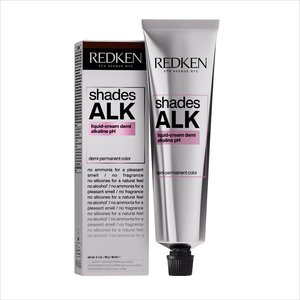
Shades EQ ALK represents a significant advancement in demi-permanent gray coverage technology. Understanding its unique properties allows you to maximize results.
Key Features of Shades EQ ALK
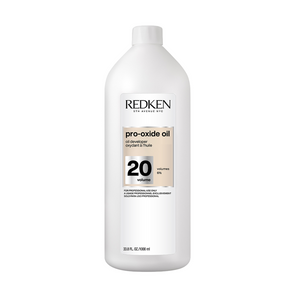
Mixing ratio: 1 part color to 1.5 parts 10-volume developer (different from many traditional formulas)
Processing time: 20 minutes on dry hair
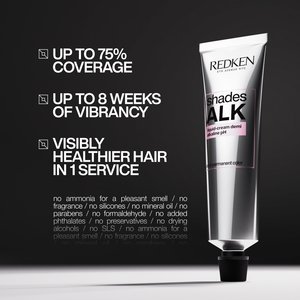
Coverage capability: Five families provide up to 75% gray coverage
Lifting ability: Achieves up to one level of brightening
Color range: 50 intermixable shades for complete customization
Longevity: Up to 8 weeks of color vibrancy
Conditioning benefits: Cream base provides visible shine and repair, especially beneficial for coarse gray hair texture
Zone One Application: Gray Coverage
For this client with 75% gray in front and 50% in back, a 4N formula provided natural-looking coverage that blends seamlessly with her base.
Application tips for superior gray coverage:
- Work on completely dry hair
- Take very fine sections (thin enough to see through)
- Apply generous saturation, especially around the hairline where gray tends to be most resistant
- Work systematically through all four quadrants
- Pay extra attention to the front hairline where gray is typically more stubborn
The cream consistency allows for precise application without dripping, and the conditioning agents begin working immediately to improve hair texture and shine.
Zones Two and Three: Color Melting the Balayage
After covering the gray at the root, a second formula glosses and tones the balayaged lengths. For this client, an equal parts mixture of 9GI (gold iridescent) and 9V (violet) created the perfect toned, dimensional blonde.
Why this formula works:
The 9V neutralizes yellow undertones in the lightened hair, while the 9GI prevents the color from becoming too ashy or flat. Bright, balanced blondes always contain some yellow (warmth) mixed with cooler tones. This combination creates vibrancy without looking smoky or dull.
Application technique:
Using a bottle applicator provides control and efficiency. Place hair between two fingers and swipe the bottle along the section, keeping one hand slightly elevated. This prevents drips and allows you to apply exactly the amount needed without waste.
Start application around the perimeter where the lightest pieces live. The one level of lift that ALK provides brightens these pieces further while depositing tone, creating a cohesive, dimensional result.
The Updated Alkaline vs. Acidic Color Mantra
Traditionally, the Redken color philosophy recommended alkaline color only on zone one (new growth) and acidic color on zones two and three (previously colored hair). This mantra has evolved as color technology has advanced.
The principle remains valid: Repeated alkaline color application on lengths can cause cumulative stress to previously colored hair.
The updated approach: Alkaline on zones two and three isn't inherently problematic. The decision should be made case by case based on:
- What the hair needs
- What you're trying to achieve
- What the hair can handle in terms of lifting or brightening
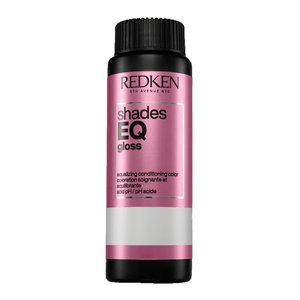
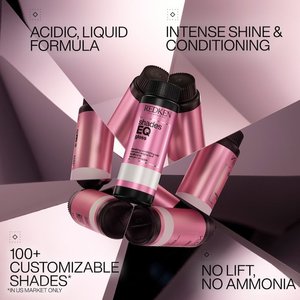
In this service, Shades EQ ALK on zones two and three was appropriate because the one level of lift helped brighten and even out the balayage. However, for the next glossing appointment, Shades EQ Gloss (acidic) might be the better choice to maintain tone without additional lifting.
The key is intentional decision-making rather than automatic formulas. Learn more about the difference between acidic and alkaline haircolor from Redken.
Processing and Final Results
Both the zone one gray coverage and the zones two and three gloss process for 20 minutes. After processing, rinse thoroughly and style.
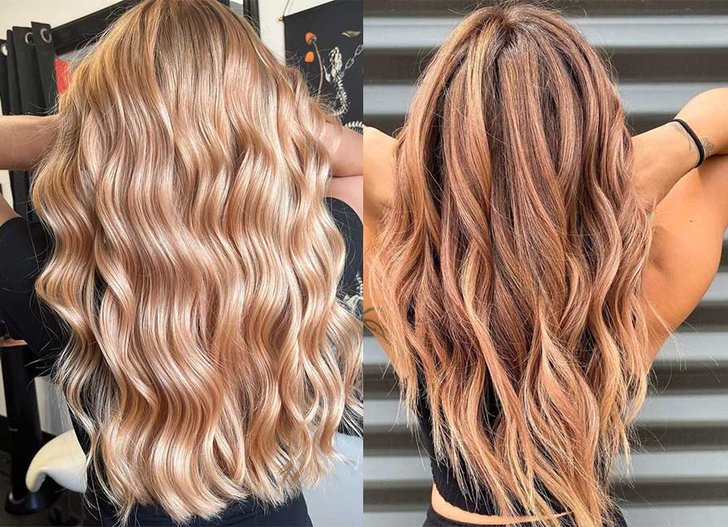
The final result showcases:
- Complete gray coverage with natural dimension
- Soft, blended regrowth that will grow out beautifully
- Face-framing brightness that looks sun-kissed and natural
- Exceptional shine and improved hair condition
- A low-maintenance color plan: balayage refresh twice yearly, root touch-ups every 2-4 weeks
Service Benefits for Clients
This combined approach offers significant advantages over traditional gray coverage:
Extended time between highlighting services. Balayage grows out softly, requiring refresh only twice per year rather than every 6-8 weeks.
No harsh regrowth lines. The dimensional application and strategic formula selection create soft transitions.
Natural-looking results. The freehand painting technique mimics how sun naturally lightens hair, avoiding the linear, stripey appearance of traditional foils.
Improved hair condition. The conditioning benefits of Shades EQ ALK leave hair visibly shinier and healthier, particularly important for coarse gray hair texture.
Customizable maintenance schedule. Clients can come in every 2-4 weeks for root touch-ups and glossing while maintaining beautiful dimension throughout.
Professional Takeaways
Mastering this technique requires understanding both the technical application and the strategic thinking behind formula and timing decisions.
Section with purpose. Your sectioning pattern should support how your client wears their hair and where they need the most dimension.
Keep your brush flat. This single technique adjustment prevents the most common balayage mistakes.
Reverse the traditional order when it makes sense. Don't apply gray coverage first just because that's how it's always been done. Think through processing times and desired results.
Choose your gloss formula intentionally. Sometimes alkaline is appropriate for zones two and three, sometimes acidic is better. Make the decision based on the hair in front of you.
Take fine sections for gray coverage. Thin sections you can see through ensure complete saturation and superior coverage.
Mix tones for dimensional blondes. Combining warm and cool tones creates vibrancy and prevents flat, one-dimensional results.
This modern approach to gray coverage and dimensional color represents the evolution of salon color services. Clients no longer have to choose between covering gray and having beautiful, natural-looking dimension. With the right techniques and products, you can deliver both in a single, efficient service that grows out beautifully and keeps clients looking their best between appointments.